



Translating a WordPress Website: Crawlable Locales and SEO
Translate WordPress into crawlable language URLs with sound plugin or multisite choices, hreflang, sitemaps, and an editorial workflow that keeps locales maintainable.
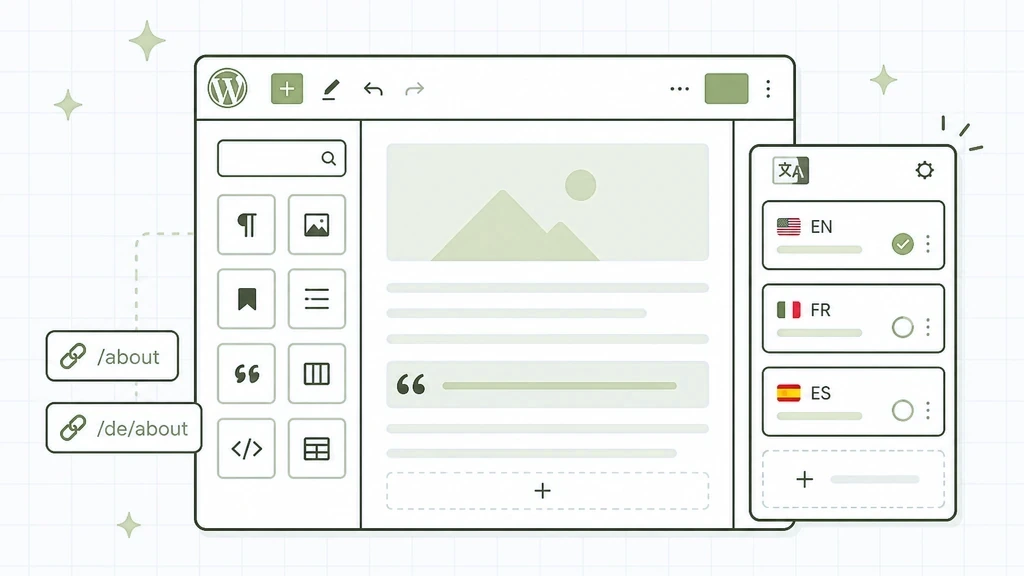
Translating a WordPress website means more than installing a multilingual plugin. Google expects each language version at its own crawlable URL, with navigation and body copy predominantly in one language, plus reciprocal hreflang when you publish alternates.
Quick answer: distinct WordPress URLs per language
WordPress sites scale through plugins, multisite networks, or external proxies—but SEO foundations stay constant: one crawlable URL per language. Google recommends different URLs for each language or region instead of cookies or browser language alone. Plugins that only swap text on /pricing via JavaScript or cookies leave search engines with a single indexed URL.
Start by rejecting single-URL language toggles. Then pick folder, subdomain, or domain patterns your team can maintain. Read international SEO versus multilingual SEO if you are deciding market scope before URL design.
WordPress multilingual architecture options
Three common architectures:
- Multilingual plugin on one site — adds locale prefixes or parallel slugs (
/en/about,/fr/a-propos). Lowest friction for small marketing sites. - WordPress multisite — separate sites per language under a network. Strong isolation; more ops overhead.
- Reverse proxy or headless layer — WordPress remains source; edge or static layer serves locale URLs. Good for performance-heavy stacks.
All three can satisfy Google when each locale has a distinct public URL and complete HTML. None justify cookie-only switches on one address.
URL patterns: folders, subdomains and domains
Folders (/de/, /es/) keep one certificate and one Search Console property (with locale reporting via paths). Subdomains (de.example.com) suit regional teams or CDN rules. ccTLDs signal country targeting when you operate truly local properties.
Google determines page language from visible content. Pick a pattern, document it, and keep permalinks stable after launch. Changing slug schemes breaks hreflang clusters and inbound links.
Avoid automatic redirects based on guessed language or location. Provide a visible language switcher linking to the alternate URL instead.
Plugin vs multisite vs proxy tradeoffs
Plugins (WPML, Polylang, TranslatePress, and others) differ in editor UX and URL models—evaluate crawlability, not marketing claims. Confirm the plugin creates separate URLs per language, not AJAX swaps on one permalink.
Multisite gives each locale its own theme options, menus, and users. Crawlability is natural because sites have distinct home URLs. Cost: network administration and plugin licensing per site.
Proxy approaches can serve cached locale HTML fast but must still emit correct canonicals and hreflang at the edge. WordPress language versions need distinct public URLs; cookie/JS-only swaps conflict with Google guidance.
When comparing tools, ask: Does each translation get a unique URL? Are hreflang and sitemaps automated or exportable? Can editors review in context?
Hreflang, canonicals and XML sitemaps
Implement hreflang in WordPress via SEO plugins, dedicated hreflang extensions, or sitemap xhtml:link entries. Hreflang must be reciprocal: if /en/about references /fr/a-propos, the French page must reference English and itself with matching codes.
Set canonical tags per language to the preferred URL for that locale. Do not point French pages to English URLs as canonical.
WordPress XML sitemaps should list each language URL and stay aligned with hreflang and canonical strategy. Many SEO plugins generate locale sitemaps; verify they include all translated custom post types, not only posts and pages. See our multilingual SEO platform overview for audit patterns.
Menus, widgets, media and theme strings
Themes often hard-code English in footers, buttons, and widget titles. Export theme strings through your plugin’s string translation UI or child theme overrides. Menus should be language-specific: French navigation should link to French URLs, not English slugs with translated labels.
Media needs alt text and captions per locale. Shared images are fine; metadata must match the page language. Widgets (search, newsletter, related posts) should pull localized content queries.
Keeping each URL predominantly in one language includes these chrome elements—not only post bodies.
Editorial workflow on WordPress
Maintainability breaks when translators work only inside post editors without glossary or TM. Layer:
- Glossary for product and legal terms
- Translation memory to reuse approved phrases
- Review states before publish
- Change detection when English updates
Google helpful-content guidance prioritizes people-first pages; thin or boilerplate-only translations fail that bar. Schedule periodic audits of top landing pages in each locale.
เช็กลิสต์การติดตั้ง
Bing Webmaster Guidelines also emphasize crawlable structure and useful content for indexing across markets.
ข้อผิดพลาดที่พบบ่อย
Single-URL AJAX translation — one indexed URL, invisible alternates.
Hreflang pointing to 404s or redirects — breaks reciprocity.
Mixed-language menus — French labels linking to English slugs.
Untranslated theme footer — dilutes language signals.
English canonical on translated posts — wrong consolidation.
Auto-redirect by country — blocks crawlers and users.
Machine translation without review on cornerstone content — thin locale pages.
พื้นฐานสำหรับการค้นหาแบบดั้งเดิมและเครื่องมือค้นหาคำตอบ
Shared foundations for WordPress multilingual plugins and public locale URLs still matter across Google, Bing, and answer engines: crawlable language versions, clear entities, evidence-backed claims, structured data where truthful, and real localization—not English-only shells. Treat the guides below as platform-specific lenses on the same multilingual delivery bar.
คู่มือแพลตฟอร์ม: Google Search
สำหรับ Google Search การค้นพบหน้าเว็บขึ้นอยู่กับ URL ของแต่ละพื้นที่ที่โปรแกรมรวบรวมข้อมูลเข้าถึงได้ โดยใช้ HTML ที่เหมาะกับภาษานั้น ชื่อหน้าและหัวข้อที่ถูกต้อง และ hreflang ที่อ้างอิงถึงกันเมื่อมีหน้าทางเลือก พื้นฐานทางเทคนิคได้แก่ เนื้อหาที่จัดทำดัชนีได้ (ไม่ใช่การสลับภาษาด้วยคุกกี้เพียงอย่างเดียว) เมทาดาทาที่ปรับให้เข้ากับท้องถิ่น Sitemap และการจัดการ canonical อย่างรอบคอบ คุณภาพเนื้อหาหมายถึงการมีเนื้อหาหลักที่ยึดผู้คนเป็นหลักในแต่ละภาษา ส่วนความน่าเชื่อถือมาจากการระบุองค์กรอย่างชัดเจนและแหล่งข้อมูลที่ยืนยันข้อเท็จจริง ไม่ใช่การโฆษณาเครื่องมือแปล ผลต่อเนื้อหาหลายภาษาคือ URL ของแต่ละตลาดหรือภาษาต้องสมบูรณ์ในตัวเอง วัดผลด้วยการตรวจสอบความครอบคลุมใน Search Console และ URL Inspection แยกตามพื้นที่ สิ่งที่ทราบและไม่แน่ชัด: Google อธิบายแนวทางเกี่ยวกับเนื้อหาหลายภาษาและ hreflang ไว้ แต่ไม่ได้รับประกันอันดับจาก CMS หรือขั้นตอนการทำ MTPE ใด ๆ
คู่มือแพลตฟอร์ม: Bing
Bing ค้นพบและจัดทำดัชนีหน้าเว็บหลายภาษาที่โปรแกรมรวบรวมข้อมูลเข้าถึงได้ โดยมีโครงสร้างชัดเจน คล้ายกับความคาดหวังของ Google ในเรื่องความชัดเจนของ URL และเนื้อหา พื้นฐานทางเทคนิคได้แก่ URL ของแต่ละพื้นที่ที่ดึงข้อมูลได้ เนื้อหาที่เป็นประโยชน์ และการติดตามผ่าน Bing Webmaster Tools ควรใช้หัวข้อ ข้อกล่าวอ้าง และคำถามที่พบบ่อยซึ่งปรับให้เข้ากับท้องถิ่น แทนการแปลเฉพาะส่วนประกอบของหน้าเว็บ สัญญาณความน่าเชื่อถือยังคงขึ้นอยู่กับแหล่งข้อมูลที่ไว้วางใจได้และเอนทิตีที่สอดคล้องกัน ผลต่อเนื้อหาหลายภาษาคือ อย่าซ่อนภาษาต่าง ๆ ไว้หลังปุ่มสลับภาษาที่ทำงานเฉพาะฝั่งไคลเอนต์ วัดการจัดทำดัชนีและสถิติการรวบรวมข้อมูลใน Bing Webmaster Tools สิ่งที่ทราบและไม่แน่ชัด: แนวทางของ Bing เน้นเนื้อหาที่เป็นประโยชน์และโปรแกรมรวบรวมข้อมูลเข้าถึงได้ อย่ากุเรื่องปัจจัยจัดอันดับเฉพาะของ Bing ที่เกี่ยวกับเครื่องมือแปล
คู่มือแพลตฟอร์ม: ChatGPT
ChatGPT อาจอ้างอิงหรือสรุปหน้าเว็บที่เข้าถึงได้แบบสาธารณะ เมื่อมีเวอร์ชันภาษาที่ชัดเจนและพร้อมใช้ตอบคำถาม การค้นพบเนื้อหาไม่ได้อาศัยการจัดอันดับจากการรวบรวมข้อมูลแบบทั่วไป แต่การมองเห็นคือการได้รับเลือกเป็นแหล่งข้อมูลหรือถูกอ้างถึงในคำตอบ พื้นฐานทางเทคนิคยังคงเริ่มจาก URL ที่มี HTML ซึ่งเข้าถึงได้ ไม่ใช่วิดเจ็ตซ้อนทับที่ซ่อนข้อความ คุณภาพของเนื้อหาที่ช่วยได้ ได้แก่ คำตอบตรงประเด็น คำถามที่พบบ่อย และการใช้คำศัพท์อย่างสม่ำเสมอตามอภิธานศัพท์ ความน่าเชื่อถือมาจากหลักฐานและการใช้ชื่อเอนทิตีอย่างสอดคล้องกันในแต่ละภาษา ข้อควรคำนึงสำหรับหลายภาษา: หน้าในแต่ละภาษาควรอ่านเข้าใจได้ด้วยตัวเอง การวัดผลยังไม่สมบูรณ์—ควรมองการตรวจสอบการอ้างอิงเป็นสมมติฐาน สิ่งที่ทราบกับสิ่งที่ยังไม่แน่ชัด: ไม่มีหลักประกันที่มีเอกสารรองรับว่า MTPE หรือการผสานรวมกับ CMS ใด ๆ จะทำให้ได้รับการอ้างอิงจาก ChatGPT
คู่มือแพลตฟอร์ม: Gemini
Gemini และประสบการณ์ AI อื่น ๆ ที่เกี่ยวข้องกับ Google ได้ประโยชน์จากการใช้เอนทิตีอย่างสอดคล้องกัน ข้อมูลที่มีโครงสร้างเมื่อถูกต้องแม่นยำ และหน้าที่แปลเป็นภาษาท้องถิ่นซึ่งจัดทำดัชนีได้ การมองเห็นหมายถึงการได้รับการอ้างอิงหรือจดจำ ไม่ใช่การแต่งปัจจัยการจัดอันดับของ Gemini ขึ้นมาเอง พื้นฐานทางเทคนิคสอดคล้องกับความสามารถในการรวบรวมข้อมูลของ Google Search และคุณภาพของเมทาดาทา เนื้อหาควรนำเสนอข้อกล่าวอ้างและคำจำกัดความอย่างชัดเจนในแต่ละภาษา ความน่าเชื่อถือขึ้นอยู่กับการใช้ชื่อองค์กรอย่างสม่ำเสมอและการมีข้อมูลยืนยัน ข้อควรคำนึงสำหรับหลายภาษา: การควบคุมชื่อผลิตภัณฑ์ด้วยอภิธานศัพท์ช่วยลดความสับสนระหว่างภาษา วัดผลตามปกติด้วย Search Console และสุ่มตรวจคำตอบจาก AI ในเชิงคุณภาพ สิ่งที่ทราบกับสิ่งที่ยังไม่แน่ชัด: พฤติกรรมของ Gemini ใช้แทนแนวทางที่มีเอกสารรองรับของ Google Search เกี่ยวกับ hreflang และเวอร์ชันภาษาไม่ได้
คู่มือแพลตฟอร์ม: Google AI Overviews
Google AI Overviews อาจใส่ลิงก์ไปยังหน้าที่ใช้สนับสนุนข้อมูล แต่หลักเกณฑ์ด้านการมีสิทธิ์ยังคงยึดเนื้อหาที่ให้ความสำคัญกับผู้ใช้และจัดทำดัชนีได้ ฟีเจอร์นี้ไม่ใช่เครื่องมือเปลี่ยนภาษาและใช้แทน hreflang ไม่ได้ พื้นฐานทางเทคนิคยังคงเป็น HTML ของแต่ละภาษาที่รวบรวมข้อมูลได้และข้อมูลที่มีโครงสร้างซึ่งตรงตามความจริง คุณภาพของเนื้อหาประกอบด้วยคำตอบกระชับและหัวข้อที่ชัดเจนในแต่ละภาษา สัญญาณด้านความน่าเชื่อถือเป็นไปตามความคาดหวังของเนื้อหาที่เป็นประโยชน์ ข้อควรคำนึงสำหรับหลายภาษา: ไม่มีการรับประกันว่าหน้าแปลใด ๆ จะปรากฏใน AI Overviews วัดผลด้วยรายงาน Generative ใน Search Console หากมีให้ใช้งาน และแยกจากตัวชี้วัดการจัดทำดัชนีแบบดั้งเดิม สิ่งที่ทราบกับสิ่งที่ยังไม่แน่ชัด: ไม่มีเวิร์กโฟลว์การแปลใดรับประกันการปรากฏใน AI Overviews ได้
GlotEO ช่วยอะไรได้บ้าง
WordPress teams often outgrow ad hoc plugin workflows when glossary control and SEO validation matter. GlotEO offers a WordPress translation integration so marketers manage locales while WordPress keeps crawlable URLs. Review GlotEO pricing and plans and the website localization platform when comparing rollout options.
แหล่งอ้างอิง
- แนวทางที่อ้างอิงในบทความนี้ (หลักเกณฑ์สำหรับผู้ดูแลเว็บของ Bing)
- แนวทางที่อ้างอิงในบทความนี้ (วิธีกำหนด URL หลักด้วย rel=canonical และวิธีอื่น ๆ)
- แนวทางที่อ้างอิงในบทความนี้ (การสร้างเนื้อหาที่เป็นประโยชน์ น่าเชื่อถือ และให้ความสำคัญกับผู้ใช้)
- แนวทางที่อ้างอิงในบทความนี้ (แจ้ง Google เกี่ยวกับหน้าเวอร์ชันภาษาต่าง ๆ)
- แนวทางที่อ้างอิงในบทความนี้ (การจัดการเว็บไซต์หลายภูมิภาคและหลายภาษา)
- แนวทางที่อ้างอิงในบทความนี้ (เรียนรู้เกี่ยวกับแผนผังเว็บไซต์)