



How to Translate a Webflow Website for Multilingual SEO
Plan Webflow locale URLs, localized SEO fields, CMS alignment, hreflang, and QA workflows so each language version is crawlable and people-first.
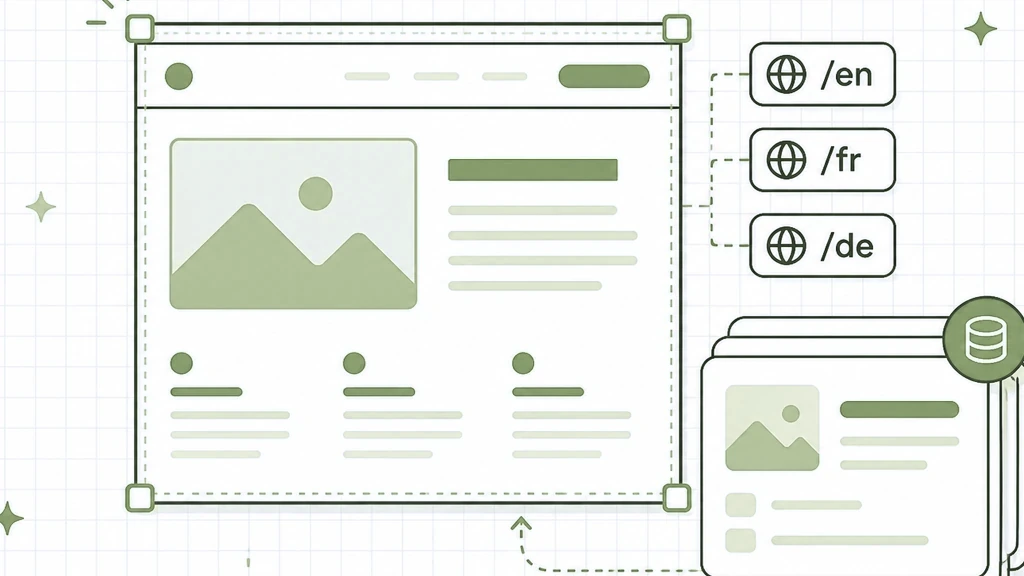
Translating a Webflow site is not only a design or CMS task—it is an international SEO architecture decision. Webflow teams often start with a language switcher widget or a third-party overlay, then discover that Google cannot reliably crawl distinct language versions, metadata stays in English, or hreflang clusters break when CMS collections drift.
This guide walks Webflow marketers and freelancers through a crawlable locale plan grounded in Google’s multilingual documentation: distinct URLs per language, localized SEO fields, CMS alignment, hreflang and sitemaps, native versus third-party translation approaches, and a review workflow that prevents mixed-language pages. No ranking guarantees—only practices Google and Bing document for discoverable language versions.
Quick answer: localize Webflow pages on distinct URLs
Short answer: Publish each Webflow language version on its own crawlable URL with localized primary content, navigation, and metadata—not on cookie-only or browser-language switches alone.
Google recommends different URLs for each language or region version rather than relying on cookies or browser settings alone. For Webflow, that usually means subdirectories such as /fr/ or /de-de/, locale-specific CMS items, and a visible language selector that links to those URLs. Pre-rendered pages in Webflow’s publish pipeline help crawlers see the same HTML users see.
Avoid auto-redirecting visitors based on guessed language or location. Google advises against automatic redirects and recommends a user-visible language or country selector instead. Let users choose; let crawlers follow links.
Webflow URL and locale planning
Before you translate a single string, decide how locales map to URLs. Common Webflow patterns:
- Subdirectory locales (
example.com/fr/about) on one site—often the simplest for freelancers and marketing teams. - Subdomain locales (
fr.example.com) when legal or analytics separation matters. - Separate Webflow sites per major market when design systems diverge significantly.
Whatever pattern you choose, each language version needs a stable, linkable URL that appears in navigation and sitemaps. Google determines page language primarily from visible content; keep each URL predominantly in one language for both body copy and navigation.
Document a locale matrix early: source page → locale URL → CMS item ID → hreflang code. When you add French, you should know exactly which English pages have French alternates and which are intentionally single-language.
Pair URL planning with international SEO versus multilingual SEO strategy so language and country targeting stay aligned with business goals.
SEO title, meta and Open Graph per locale
Webflow exposes page-level SEO settings: title tag, meta description, Open Graph title and description, and often Twitter cards. Localize all of these per locale URL, not just the visible H1.
Localized SEO titles and meta descriptions should be unique per locale URL rather than shared English metadata across languages. A French product page with an English <title> sends mixed signals to Google and weakens click-through in French SERPs.
Checklist for each localized Webflow page:
- Title tag — written for local query intent, not word-for-word English paste.
- Meta description — unique, human-readable summary in the target language.
- Open Graph / social — localized preview text and images where markets differ.
- Slug — consider localized slugs when they help users; keep redirects if you change them later.
- Canonical — each locale URL should canonical to itself unless you deliberately consolidate duplicates.
Google helpful-content guidance prioritizes people-first pages; thin or boilerplate-only language versions are weak SEO and weak answer sources. Metadata localization is necessary but not sufficient—you still need substantive body content.
CMS collections and shared design systems
Webflow CMS powers blogs, case studies, team pages, and product catalogs. Multilingual CMS work fails when collections fall out of sync: three French posts link to English case studies, or a shared reference field points at the wrong locale item.
Practical alignment strategies:
- Mirror collection structure per locale (separate items per language) with a shared internal ID or reference field linking equivalents.
- Field-level localization when Webflow localization features or integrations support locale-specific fields on one item.
- Shared components, localized content — keep design system classes consistent; swap text, images, and links per locale.
When a CMS template renders mixed languages—English author bio on a German article—Google sees a page that does not match user expectations. Audit collection templates for chrome strings, empty states, and filter labels.
Hreflang, canonicals and sitemaps
Hreflang annotations tell Google about alternate language or regional URLs and must be reciprocal across the set of pages they describe. On Webflow, implement hreflang via:
- Custom code in site or page
<head>(often generated from your locale matrix), - HTTP headers at the hosting edge if your stack supports it, or
- XML sitemaps with
xhtml:linkalternates.
XML sitemaps help discovery of language versions and can carry xhtml:link hreflang annotations when used as an implementation method. Submit updated sitemaps after locale launches.
Each language or locale URL should have a clear canonical that prefers the same-language preferred URL when duplicates exist. Do not point every locale’s canonical at the English homepage while also publishing fully localized pages—you will confuse consolidation signals.
Pick one primary hreflang method and regenerate the full reciprocal set whenever you add or remove a locale. Manual one-off tags on a handful of pages break clusters quickly.
For deeper hreflang mechanics, see your multilingual SEO product capabilities alongside Google’s localized-versions documentation.
Native vs third-party translation approaches
Webflow teams typically choose among:
Native Webflow localization (when available on your plan) — locale fields, localized publishing, and URLs inside the Webflow ecosystem. Pros: stays close to designer workflows. Cons: still requires editorial QA and SEO field discipline.
Third-party translation overlays — JavaScript layers that swap text client-side. Pros: fast-looking launches. Cons: often weaker for crawlability if distinct URLs and server-rendered HTML are missing—Google recommends crawlable URLs, not cookie-only delivery.
Export / TMS / re-import workflows — translate in a CAT tool or platform, then publish localized CMS items. Pros: scales with glossaries and translation memory. Cons: needs process to prevent stale English fallbacks.
There is no universal winner. Evaluate based on whether each approach produces distinct crawlable URLs, localized metadata, and maintainable hreflang—not on demo speed alone.
Editorial workflow and QA
Mixed-language pages usually come from process gaps, not platform bugs. A practical Webflow QA workflow:
- Locale completeness gate — no publish if required fields are empty in the target locale.
- Language spot check — navigation, buttons, form labels, and error messages match the page language.
- Link audit — internal links stay inside the same locale unless intentionally cross-language.
- SEO field review — title, meta, OG localized.
- Hreflang reciprocity sample — test five URL pairs after each locale batch.
- Staging crawl — fetch rendered HTML; confirm language and annotations.
Assign an owner for the locale matrix. Designers should not be the only people who know which pages exist in German.
เช็กลิสต์การติดตั้ง
Use this launch list for each new Webflow locale:
ข้อผิดพลาดที่พบบ่อย
These Webflow translation mistakes hurt SEO most often:
- Cookie or browser-language only — no crawlable alternate URLs.
- English metadata on localized pages — titles and descriptions never translated.
- Boilerplate-only translation — nav in French, body still English.
- Broken hreflang reciprocity — new locale added on some templates only.
- Auto-redirect by IP — blocks users and crawlers from alternates.
- CMS reference drift — localized posts linking to English assets.
- Thin locale stubs — placeholder pages published to “claim” a market.
- Duplicate overlays plus native locales — two systems fighting for the same URLs.
Bing Webmaster Guidelines also emphasize crawlable, useful content and clear site structure for indexing across markets—many of the same crawlability rules apply outside Google.
พื้นฐานสำหรับการค้นหาแบบดั้งเดิมและเครื่องมือค้นหาคำตอบ
Shared foundations for Webflow locale pages with localized SEO fields still matter across Google, Bing, and answer engines: crawlable language versions, clear entities, evidence-backed claims, structured data where truthful, and real localization—not English-only shells. Treat the guides below as platform-specific lenses on the same multilingual delivery bar.
คู่มือแพลตฟอร์ม: Google Search
สำหรับ Google Search การค้นพบหน้าเว็บขึ้นอยู่กับ URL ของแต่ละพื้นที่ที่โปรแกรมรวบรวมข้อมูลเข้าถึงได้ โดยใช้ HTML ที่เหมาะกับภาษานั้น ชื่อหน้าและหัวข้อที่ถูกต้อง และ hreflang ที่อ้างอิงถึงกันเมื่อมีหน้าทางเลือก พื้นฐานทางเทคนิคได้แก่ เนื้อหาที่จัดทำดัชนีได้ (ไม่ใช่การสลับภาษาด้วยคุกกี้เพียงอย่างเดียว) เมทาดาทาที่ปรับให้เข้ากับท้องถิ่น Sitemap และการจัดการ canonical อย่างรอบคอบ คุณภาพเนื้อหาหมายถึงการมีเนื้อหาหลักที่ยึดผู้คนเป็นหลักในแต่ละภาษา ส่วนความน่าเชื่อถือมาจากการระบุองค์กรอย่างชัดเจนและแหล่งข้อมูลที่ยืนยันข้อเท็จจริง ไม่ใช่การโฆษณาเครื่องมือแปล ผลต่อเนื้อหาหลายภาษาคือ URL ของแต่ละตลาดหรือภาษาต้องสมบูรณ์ในตัวเอง วัดผลด้วยการตรวจสอบความครอบคลุมใน Search Console และ URL Inspection แยกตามพื้นที่ สิ่งที่ทราบและไม่แน่ชัด: Google อธิบายแนวทางเกี่ยวกับเนื้อหาหลายภาษาและ hreflang ไว้ แต่ไม่ได้รับประกันอันดับจาก CMS หรือขั้นตอนการทำ MTPE ใด ๆ
คู่มือแพลตฟอร์ม: Bing
Bing ค้นพบและจัดทำดัชนีหน้าเว็บหลายภาษาที่โปรแกรมรวบรวมข้อมูลเข้าถึงได้ โดยมีโครงสร้างชัดเจน คล้ายกับความคาดหวังของ Google ในเรื่องความชัดเจนของ URL และเนื้อหา พื้นฐานทางเทคนิคได้แก่ URL ของแต่ละพื้นที่ที่ดึงข้อมูลได้ เนื้อหาที่เป็นประโยชน์ และการติดตามผ่าน Bing Webmaster Tools ควรใช้หัวข้อ ข้อกล่าวอ้าง และคำถามที่พบบ่อยซึ่งปรับให้เข้ากับท้องถิ่น แทนการแปลเฉพาะส่วนประกอบของหน้าเว็บ สัญญาณความน่าเชื่อถือยังคงขึ้นอยู่กับแหล่งข้อมูลที่ไว้วางใจได้และเอนทิตีที่สอดคล้องกัน ผลต่อเนื้อหาหลายภาษาคือ อย่าซ่อนภาษาต่าง ๆ ไว้หลังปุ่มสลับภาษาที่ทำงานเฉพาะฝั่งไคลเอนต์ วัดการจัดทำดัชนีและสถิติการรวบรวมข้อมูลใน Bing Webmaster Tools สิ่งที่ทราบและไม่แน่ชัด: แนวทางของ Bing เน้นเนื้อหาที่เป็นประโยชน์และโปรแกรมรวบรวมข้อมูลเข้าถึงได้ อย่ากุเรื่องปัจจัยจัดอันดับเฉพาะของ Bing ที่เกี่ยวกับเครื่องมือแปล
คู่มือแพลตฟอร์ม: ChatGPT
ChatGPT อาจอ้างอิงหรือสรุปหน้าเว็บที่เข้าถึงได้แบบสาธารณะ เมื่อมีเวอร์ชันภาษาที่ชัดเจนและพร้อมใช้ตอบคำถาม การค้นพบเนื้อหาไม่ได้อาศัยการจัดอันดับจากการรวบรวมข้อมูลแบบทั่วไป แต่การมองเห็นคือการได้รับเลือกเป็นแหล่งข้อมูลหรือถูกอ้างถึงในคำตอบ พื้นฐานทางเทคนิคยังคงเริ่มจาก URL ที่มี HTML ซึ่งเข้าถึงได้ ไม่ใช่วิดเจ็ตซ้อนทับที่ซ่อนข้อความ คุณภาพของเนื้อหาที่ช่วยได้ ได้แก่ คำตอบตรงประเด็น คำถามที่พบบ่อย และการใช้คำศัพท์อย่างสม่ำเสมอตามอภิธานศัพท์ ความน่าเชื่อถือมาจากหลักฐานและการใช้ชื่อเอนทิตีอย่างสอดคล้องกันในแต่ละภาษา ข้อควรคำนึงสำหรับหลายภาษา: หน้าในแต่ละภาษาควรอ่านเข้าใจได้ด้วยตัวเอง การวัดผลยังไม่สมบูรณ์—ควรมองการตรวจสอบการอ้างอิงเป็นสมมติฐาน สิ่งที่ทราบกับสิ่งที่ยังไม่แน่ชัด: ไม่มีหลักประกันที่มีเอกสารรองรับว่า MTPE หรือการผสานรวมกับ CMS ใด ๆ จะทำให้ได้รับการอ้างอิงจาก ChatGPT
คู่มือแพลตฟอร์ม: Gemini
Gemini และประสบการณ์ AI อื่น ๆ ที่เกี่ยวข้องกับ Google ได้ประโยชน์จากการใช้เอนทิตีอย่างสอดคล้องกัน ข้อมูลที่มีโครงสร้างเมื่อถูกต้องแม่นยำ และหน้าที่แปลเป็นภาษาท้องถิ่นซึ่งจัดทำดัชนีได้ การมองเห็นหมายถึงการได้รับการอ้างอิงหรือจดจำ ไม่ใช่การแต่งปัจจัยการจัดอันดับของ Gemini ขึ้นมาเอง พื้นฐานทางเทคนิคสอดคล้องกับความสามารถในการรวบรวมข้อมูลของ Google Search และคุณภาพของเมทาดาทา เนื้อหาควรนำเสนอข้อกล่าวอ้างและคำจำกัดความอย่างชัดเจนในแต่ละภาษา ความน่าเชื่อถือขึ้นอยู่กับการใช้ชื่อองค์กรอย่างสม่ำเสมอและการมีข้อมูลยืนยัน ข้อควรคำนึงสำหรับหลายภาษา: การควบคุมชื่อผลิตภัณฑ์ด้วยอภิธานศัพท์ช่วยลดความสับสนระหว่างภาษา วัดผลตามปกติด้วย Search Console และสุ่มตรวจคำตอบจาก AI ในเชิงคุณภาพ สิ่งที่ทราบกับสิ่งที่ยังไม่แน่ชัด: พฤติกรรมของ Gemini ใช้แทนแนวทางที่มีเอกสารรองรับของ Google Search เกี่ยวกับ hreflang และเวอร์ชันภาษาไม่ได้
คู่มือแพลตฟอร์ม: Google AI Overviews
Google AI Overviews อาจใส่ลิงก์ไปยังหน้าที่ใช้สนับสนุนข้อมูล แต่หลักเกณฑ์ด้านการมีสิทธิ์ยังคงยึดเนื้อหาที่ให้ความสำคัญกับผู้ใช้และจัดทำดัชนีได้ ฟีเจอร์นี้ไม่ใช่เครื่องมือเปลี่ยนภาษาและใช้แทน hreflang ไม่ได้ พื้นฐานทางเทคนิคยังคงเป็น HTML ของแต่ละภาษาที่รวบรวมข้อมูลได้และข้อมูลที่มีโครงสร้างซึ่งตรงตามความจริง คุณภาพของเนื้อหาประกอบด้วยคำตอบกระชับและหัวข้อที่ชัดเจนในแต่ละภาษา สัญญาณด้านความน่าเชื่อถือเป็นไปตามความคาดหวังของเนื้อหาที่เป็นประโยชน์ ข้อควรคำนึงสำหรับหลายภาษา: ไม่มีการรับประกันว่าหน้าแปลใด ๆ จะปรากฏใน AI Overviews วัดผลด้วยรายงาน Generative ใน Search Console หากมีให้ใช้งาน และแยกจากตัวชี้วัดการจัดทำดัชนีแบบดั้งเดิม สิ่งที่ทราบกับสิ่งที่ยังไม่แน่ชัด: ไม่มีเวิร์กโฟลว์การแปลใดรับประกันการปรากฏใน AI Overviews ได้
GlotEO ช่วยอะไรได้บ้าง
Webflow localization succeeds when design, CMS, and SEO ops share one source of truth for locales. GlotEO Webflow translation integration helps teams manage website localization workflows—linking briefs, glossaries, and review steps—while you keep Webflow’s visual stack and crawlable URL architecture intact.
If you are scaling beyond a handful of manual page copies, explore the website localization platform to coordinate translation, QA, and publish gates without losing SEO signals. Review GlotEO pricing and plans when you are ready to compare workflow tiers.
Pair this implementation guide with international SEO versus multilingual SEO for strategy context, and use multilingual SEO tooling when hreflang and metadata governance become part of everyday editorial work.
แหล่งอ้างอิง
- แนวทางที่อ้างอิงในบทความนี้ (หลักเกณฑ์สำหรับผู้ดูแลเว็บของ Bing)
- แนวทางที่อ้างอิงในบทความนี้ (วิธีกำหนด URL หลักด้วย rel=canonical และวิธีอื่น ๆ)
- แนวทางที่อ้างอิงในบทความนี้ (การสร้างเนื้อหาที่เป็นประโยชน์ น่าเชื่อถือ และให้ความสำคัญกับผู้ใช้)
- แนวทางที่อ้างอิงในบทความนี้ (แจ้ง Google เกี่ยวกับหน้าเวอร์ชันภาษาต่าง ๆ)
- แนวทางที่อ้างอิงในบทความนี้ (การจัดการเว็บไซต์หลายภูมิภาคและหลายภาษา)
- แนวทางที่อ้างอิงในบทความนี้ (เรียนรู้เกี่ยวกับแผนผังเว็บไซต์)