



MTPE vs Human Translation for Websites: A Practical Guide
Choose MTPE, human translation, or hybrid website workflows using page-type criteria, glossary practices, QA gates, and multilingual SEO quality expectations.
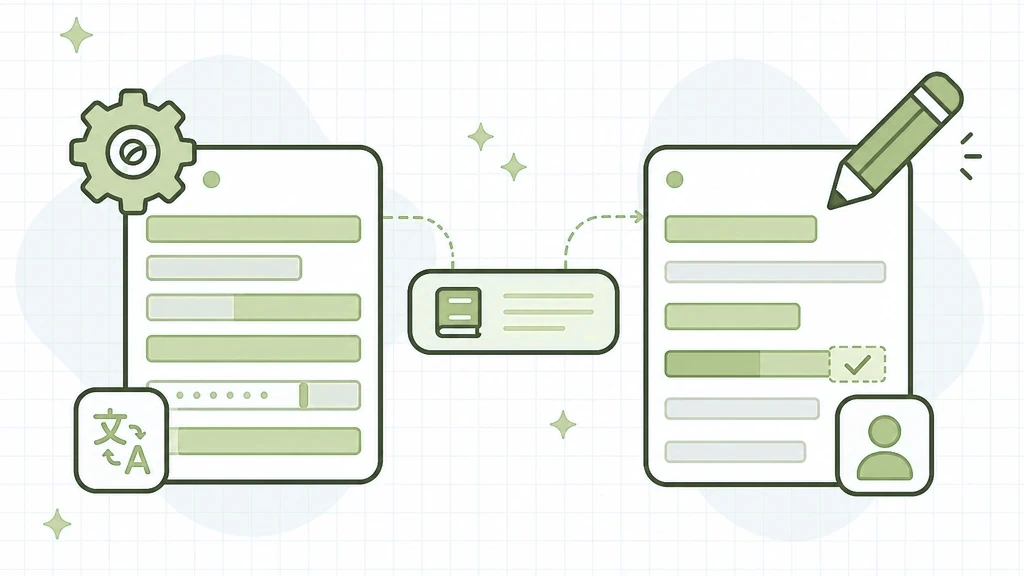
Localization managers face the same question on every website program: should we machine-translate and ship, pay for full human translation, or use machine translation post-editing (MTPE)? The honest answer depends on page type, risk, glossary maturity, and whether you can publish crawlable, people-first language versions—not on generic “MT is good now” hype.
This guide compares MTPE versus human translation for websites with operational criteria tied to multilingual SEO and helpful content expectations from Google and Bing. You will learn definitions, page-type fit, glossary and TM practices, legal and conversion guardrails, QA gates, and how to compare cost, speed, and risk without inventing statistics.
Quick answer: MTPE is edited MT, not raw publish
Short answer: MTPE is machine translation revised by a human editor before publish. Raw machine output pasted into localized URLs is not MTPE—and it often creates thin or mixed-language pages that fail people-first content expectations.
Google helpful-content guidance prioritizes people-first pages; thin or boilerplate-only language versions are weak SEO and weak answer sources. People-first helpful content expectations apply to every language version; low-quality machine-only pages can create thin or unhelpful locale experiences.
Use MTPE when speed and cost matter but a human must fix terminology, tone, and factual clarity. Use full human translation when brand voice, legal precision, or conversion copy cannot tolerate MT errors. Never skip QA gates for either path.
Definitions: MT, MTPE and human translation
Machine translation (MT) — automated conversion from source to target language with no guaranteed human review before publish.
Machine translation post-editing (MTPE) — MT followed by human editing (light or full) to meet quality thresholds before content ships.
Human translation — linguists translate from source without MT in the loop, or rewrite MT so thoroughly it is effectively new copy.
Boilerplate-only or poorly translated main content weakens language versions even when chrome is translated. Translating navigation while leaving body copy in the source language is a common failure mode—not a workflow choice.
Google determines page language primarily from visible content; language versions should keep content and navigation predominantly in one language.
Why quality matters for language-version SEO
Multilingual SEO starts with crawlable locale URLs—Google recommends different URLs per language rather than cookies alone—but quality determines whether those URLs deserve visibility.
Hreflang annotations tell Google about alternate language URLs and must be reciprocal when alternates exist. XML sitemaps help discovery and can carry hreflang. Canonicals should prefer same-language URLs when duplicates exist. None of these annotations rescue unhelpful body copy.
Translation quality affects:
- Language detection — mixed or sloppy text confuses users and algorithms reading visible content.
- Helpful content signals — thin MT pages add URLs without adding value.
- Trust on conversion and legal pages — errors carry business risk beyond SEO.
- Bing indexing — Bing Webmaster Guidelines emphasize crawlable, useful content and clear structure across markets.
Read international SEO versus multilingual SEO when strategy precedes workflow choice.
Page-type decision matrix
Not every page deserves the same workflow. A practical split:
MTPE-friendly (with glossary + review):
- Long-tail help articles with factual, repetitive structure
- Internal documentation mirrored publicly
- Product feature lists with stable terminology
- Glossary-backed UI strings and microcopy batches
Human-first or heavy MTPE:
- Homepage and core landing pages
- Pricing and plan comparison pages
- Customer stories and brand campaigns
- Highly idiomatic blog thought leadership
Human-only or legal review mandatory:
- Terms of service, privacy policies, regulatory disclosures
- Safety, medical, or financial claims
- Employment and contractual templates
Map workflows in a routing table during brief intake—not ad hoc per vendor quote.
Glossary, TM and style guides
MTPE reliability scales with terminology control:
- Glossary — approved product terms, forbidden translations, and market-specific variants.
- Translation memory (TM) — reuse vetted sentences; update TM after human corrections.
- Style guide — tone, formality, inclusivity, and punctuation per locale.
- Do-not-translate list — product names, integration labels, code tokens.
Without glossary enforcement, MTPE editors spend time fixing the same terminology errors on every page—erasing MT speed gains.
Feed MT engines glossary constraints where supported, then still run human post-edit on high-visibility URLs.
Risk pages: legal, brand and conversion
Legal, brand, and conversion pages need stricter gates:
- Legal — full human translation plus jurisdictional review; MTPE is rarely appropriate for binding text.
- Brand — taglines and campaigns often require transcreation, not literal MTPE.
- Conversion — pricing CTAs, guarantee language, and trial terms must be accurate; light MTPE may suffice for secondary markets only after testing.
Google advises against automatically redirecting users based on assumed language; pair high-quality localized copy with visible language selectors on crawlable URLs.
Avoid publishing raw MT on checkout, signup, or compliance flows even when marketing pages use MTPE.
QA and publish gates
After MTPE—or any translation—run QA before publish:
- Locale completeness — no empty fields or English fallbacks on localized URLs.
- Language consistency — body, nav, buttons, and errors match target locale.
- Terminology audit — sample against glossary and TM.
- Link and slug check — internal links stay in-locale; hreflang pairs reciprocal.
- Metadata review — localized titles and descriptions, not English duplicates.
- Spot human read — native speaker review on highest-traffic templates.
Block publish when sample pages fail helpful-content smell tests: thin, repetitive, or obvious MT artifacts on primary content.
Each language URL should remain a distinct crawlable URL with clear canonicals—quality QA includes technical checks, not just linguistic ones.
Cost, speed and risk tradeoffs
Compare workflows honestly:
| Dimension | Raw MT | MTPE | Human translation |
|---|---|---|---|
| Speed | Fastest | Fast with edit queue | Slowest |
| Cost | Lowest direct cost | Mid | Highest direct cost |
| SEO / UX risk | Highest | Moderate if gated | Lowest when well managed |
| Scales with glossary | Poorly | Well | Well with TM |
Hidden costs include rework after brand incidents, legal review cycles, support tickets from confused users, and de-indexing thin locale folders. A cheap MT launch that requires emergency human rewrite often costs more than planned MTPE.
Speed matters for launch deadlines—but publishing low-quality machine-only pages can create technical debt across hreflang clusters and sitemaps you must maintain later.
เช็กลิสต์การติดตั้ง
พื้นฐานสำหรับการค้นหาแบบดั้งเดิมและเครื่องมือค้นหาคำตอบ
Shared foundations for MTPE and human review quality on locale pages still matter across Google, Bing, and answer engines: crawlable language versions, clear entities, evidence-backed claims, structured data where truthful, and real localization—not English-only shells. Treat the guides below as platform-specific lenses on the same multilingual delivery bar.
คู่มือแพลตฟอร์ม: Google Search
สำหรับ Google Search การค้นพบหน้าเว็บขึ้นอยู่กับ URL ของแต่ละพื้นที่ที่โปรแกรมรวบรวมข้อมูลเข้าถึงได้ โดยใช้ HTML ที่เหมาะกับภาษานั้น ชื่อหน้าและหัวข้อที่ถูกต้อง และ hreflang ที่อ้างอิงถึงกันเมื่อมีหน้าทางเลือก พื้นฐานทางเทคนิคได้แก่ เนื้อหาที่จัดทำดัชนีได้ (ไม่ใช่การสลับภาษาด้วยคุกกี้เพียงอย่างเดียว) เมทาดาทาที่ปรับให้เข้ากับท้องถิ่น Sitemap และการจัดการ canonical อย่างรอบคอบ คุณภาพเนื้อหาหมายถึงการมีเนื้อหาหลักที่ยึดผู้คนเป็นหลักในแต่ละภาษา ส่วนความน่าเชื่อถือมาจากการระบุองค์กรอย่างชัดเจนและแหล่งข้อมูลที่ยืนยันข้อเท็จจริง ไม่ใช่การโฆษณาเครื่องมือแปล ผลต่อเนื้อหาหลายภาษาคือ URL ของแต่ละตลาดหรือภาษาต้องสมบูรณ์ในตัวเอง วัดผลด้วยการตรวจสอบความครอบคลุมใน Search Console และ URL Inspection แยกตามพื้นที่ สิ่งที่ทราบและไม่แน่ชัด: Google อธิบายแนวทางเกี่ยวกับเนื้อหาหลายภาษาและ hreflang ไว้ แต่ไม่ได้รับประกันอันดับจาก CMS หรือขั้นตอนการทำ MTPE ใด ๆ
คู่มือแพลตฟอร์ม: Bing
Bing ค้นพบและจัดทำดัชนีหน้าเว็บหลายภาษาที่โปรแกรมรวบรวมข้อมูลเข้าถึงได้ โดยมีโครงสร้างชัดเจน คล้ายกับความคาดหวังของ Google ในเรื่องความชัดเจนของ URL และเนื้อหา พื้นฐานทางเทคนิคได้แก่ URL ของแต่ละพื้นที่ที่ดึงข้อมูลได้ เนื้อหาที่เป็นประโยชน์ และการติดตามผ่าน Bing Webmaster Tools ควรใช้หัวข้อ ข้อกล่าวอ้าง และคำถามที่พบบ่อยซึ่งปรับให้เข้ากับท้องถิ่น แทนการแปลเฉพาะส่วนประกอบของหน้าเว็บ สัญญาณความน่าเชื่อถือยังคงขึ้นอยู่กับแหล่งข้อมูลที่ไว้วางใจได้และเอนทิตีที่สอดคล้องกัน ผลต่อเนื้อหาหลายภาษาคือ อย่าซ่อนภาษาต่าง ๆ ไว้หลังปุ่มสลับภาษาที่ทำงานเฉพาะฝั่งไคลเอนต์ วัดการจัดทำดัชนีและสถิติการรวบรวมข้อมูลใน Bing Webmaster Tools สิ่งที่ทราบและไม่แน่ชัด: แนวทางของ Bing เน้นเนื้อหาที่เป็นประโยชน์และโปรแกรมรวบรวมข้อมูลเข้าถึงได้ อย่ากุเรื่องปัจจัยจัดอันดับเฉพาะของ Bing ที่เกี่ยวกับเครื่องมือแปล
คู่มือแพลตฟอร์ม: ChatGPT
ChatGPT อาจอ้างอิงหรือสรุปหน้าเว็บที่เข้าถึงได้แบบสาธารณะ เมื่อมีเวอร์ชันภาษาที่ชัดเจนและพร้อมใช้ตอบคำถาม การค้นพบเนื้อหาไม่ได้อาศัยการจัดอันดับจากการรวบรวมข้อมูลแบบทั่วไป แต่การมองเห็นคือการได้รับเลือกเป็นแหล่งข้อมูลหรือถูกอ้างถึงในคำตอบ พื้นฐานทางเทคนิคยังคงเริ่มจาก URL ที่มี HTML ซึ่งเข้าถึงได้ ไม่ใช่วิดเจ็ตซ้อนทับที่ซ่อนข้อความ คุณภาพของเนื้อหาที่ช่วยได้ ได้แก่ คำตอบตรงประเด็น คำถามที่พบบ่อย และการใช้คำศัพท์อย่างสม่ำเสมอตามอภิธานศัพท์ ความน่าเชื่อถือมาจากหลักฐานและการใช้ชื่อเอนทิตีอย่างสอดคล้องกันในแต่ละภาษา ข้อควรคำนึงสำหรับหลายภาษา: หน้าในแต่ละภาษาควรอ่านเข้าใจได้ด้วยตัวเอง การวัดผลยังไม่สมบูรณ์—ควรมองการตรวจสอบการอ้างอิงเป็นสมมติฐาน สิ่งที่ทราบกับสิ่งที่ยังไม่แน่ชัด: ไม่มีหลักประกันที่มีเอกสารรองรับว่า MTPE หรือการผสานรวมกับ CMS ใด ๆ จะทำให้ได้รับการอ้างอิงจาก ChatGPT
คู่มือแพลตฟอร์ม: Gemini
Gemini และประสบการณ์ AI อื่น ๆ ที่เกี่ยวข้องกับ Google ได้ประโยชน์จากการใช้เอนทิตีอย่างสอดคล้องกัน ข้อมูลที่มีโครงสร้างเมื่อถูกต้องแม่นยำ และหน้าที่แปลเป็นภาษาท้องถิ่นซึ่งจัดทำดัชนีได้ การมองเห็นหมายถึงการได้รับการอ้างอิงหรือจดจำ ไม่ใช่การแต่งปัจจัยการจัดอันดับของ Gemini ขึ้นมาเอง พื้นฐานทางเทคนิคสอดคล้องกับความสามารถในการรวบรวมข้อมูลของ Google Search และคุณภาพของเมทาดาทา เนื้อหาควรนำเสนอข้อกล่าวอ้างและคำจำกัดความอย่างชัดเจนในแต่ละภาษา ความน่าเชื่อถือขึ้นอยู่กับการใช้ชื่อองค์กรอย่างสม่ำเสมอและการมีข้อมูลยืนยัน ข้อควรคำนึงสำหรับหลายภาษา: การควบคุมชื่อผลิตภัณฑ์ด้วยอภิธานศัพท์ช่วยลดความสับสนระหว่างภาษา วัดผลตามปกติด้วย Search Console และสุ่มตรวจคำตอบจาก AI ในเชิงคุณภาพ สิ่งที่ทราบกับสิ่งที่ยังไม่แน่ชัด: พฤติกรรมของ Gemini ใช้แทนแนวทางที่มีเอกสารรองรับของ Google Search เกี่ยวกับ hreflang และเวอร์ชันภาษาไม่ได้
คู่มือแพลตฟอร์ม: Google AI Overviews
Google AI Overviews อาจใส่ลิงก์ไปยังหน้าที่ใช้สนับสนุนข้อมูล แต่หลักเกณฑ์ด้านการมีสิทธิ์ยังคงยึดเนื้อหาที่ให้ความสำคัญกับผู้ใช้และจัดทำดัชนีได้ ฟีเจอร์นี้ไม่ใช่เครื่องมือเปลี่ยนภาษาและใช้แทน hreflang ไม่ได้ พื้นฐานทางเทคนิคยังคงเป็น HTML ของแต่ละภาษาที่รวบรวมข้อมูลได้และข้อมูลที่มีโครงสร้างซึ่งตรงตามความจริง คุณภาพของเนื้อหาประกอบด้วยคำตอบกระชับและหัวข้อที่ชัดเจนในแต่ละภาษา สัญญาณด้านความน่าเชื่อถือเป็นไปตามความคาดหวังของเนื้อหาที่เป็นประโยชน์ ข้อควรคำนึงสำหรับหลายภาษา: ไม่มีการรับประกันว่าหน้าแปลใด ๆ จะปรากฏใน AI Overviews วัดผลด้วยรายงาน Generative ใน Search Console หากมีให้ใช้งาน และแยกจากตัวชี้วัดการจัดทำดัชนีแบบดั้งเดิม สิ่งที่ทราบกับสิ่งที่ยังไม่แน่ชัด: ไม่มีเวิร์กโฟลว์การแปลใดรับประกันการปรากฏใน AI Overviews ได้
GlotEO ช่วยอะไรได้บ้าง
Choosing MTPE versus human translation is an operations problem spanning linguists, marketers, and engineering. GlotEO website localization platform helps teams route page types to appropriate workflows, enforce glossary and QA gates, and keep localized URLs aligned with briefs before anything reaches production.
Use multilingual SEO workflow tooling to connect translation decisions with hreflang, metadata, and locale matrix requirements. Review GlotEO pricing and plans when MTPE volume scales beyond spreadsheet tracking.
Ground strategy in international SEO versus multilingual SEO so quality investments follow language and country priorities—not generic translation volume targets.
แหล่งอ้างอิง
- แนวทางที่อ้างอิงในบทความนี้ (หลักเกณฑ์สำหรับผู้ดูแลเว็บของ Bing)
- แนวทางที่อ้างอิงในบทความนี้ (วิธีกำหนด URL หลักด้วย rel=canonical และวิธีอื่น ๆ)
- แนวทางที่อ้างอิงในบทความนี้ (การสร้างเนื้อหาที่เป็นประโยชน์ น่าเชื่อถือ และให้ความสำคัญกับผู้ใช้)
- แนวทางที่อ้างอิงในบทความนี้ (แจ้ง Google เกี่ยวกับหน้าเวอร์ชันภาษาต่าง ๆ)
- แนวทางที่อ้างอิงในบทความนี้ (การจัดการเว็บไซต์หลายภูมิภาคและหลายภาษา)
- แนวทางที่อ้างอิงในบทความนี้ (เรียนรู้เกี่ยวกับแผนผังเว็บไซต์)